Mechanical Engineering
Design the Machines of Tomorrow
The Mechanical Engineering program at Umed Institute prepares you for a dynamic career in designing, analyzing, and manufacturing mechanical systems. You’ll develop expertise in thermodynamics, fluid mechanics, materials science, and machine design.
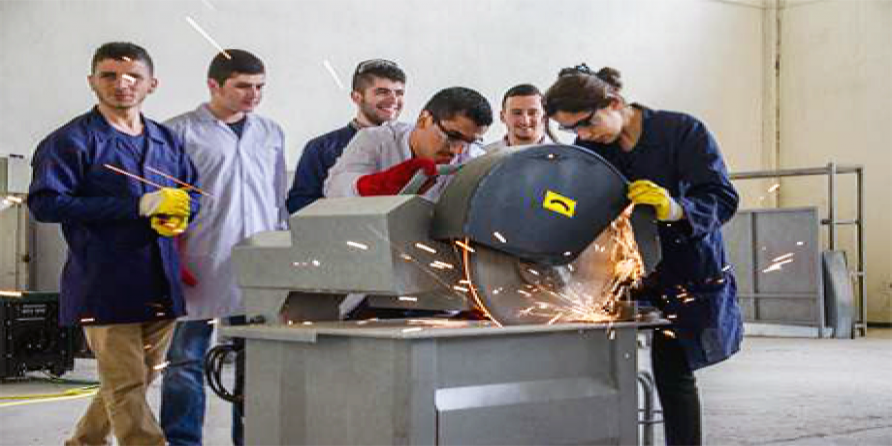
Our 2-year program combines rigorous engineering theory with practical, hands-on experience to ensure you’re ready to work on real-world projects across automotive, aerospace, energy, and manufacturing industries upon graduation.
- Comprehensive mechanical engineering curriculum
- Practical lab and project experience
- Industry-relevant CAD and simulation skills
- Preparation for professional certification
What You’ll Learn
A comprehensive 2-year program designed to build your mechanical engineering expertise.
Foundations of Mechanical Engineering
- Introduction to Mechanical Engineering
- Engineering Mathematics
- Engineering Mechanics (Statics & Dynamics)
- Engineering Drawing & CAD
- Materials Science
Core Mechanical Skills
- Thermodynamics
- Fluid Mechanics
- Strength of Materials
- Manufacturing Processes
- Engineering Mathematics II
Advanced Mechanical Engineering
- Machine Design
- Heat Transfer
- Mechanical Vibrations
- Computer-Aided Engineering (CAE)
- Control Systems
Capstone & Career
- Mechanical Engineering Capstone Project
- Internship Placement
- Professional Ethics & Practice
- Sustainable Design & Energy
- Certification Preparation
Where Your Career Can Take You
Graduates of the Mechanical Engineering program pursue a variety of rewarding careers.
Mechanical Design Engineer
Design mechanical components, systems, and products using advanced CAD and simulation tools.
Manufacturing Engineer
Optimize production processes and improve manufacturing efficiency.
Automotive Engineer
Design and develop vehicles and automotive systems for the transportation industry.
Energy Engineer
Design and optimize energy systems including power plants, renewable energy, and HVAC.
Aerospace Engineer
Design and develop aircraft, spacecraft, and aerospace systems.
Engineering Educator
Teach mechanical engineering and inspire the next generation of engineers.
Program Highlights
What makes our Mechanical Engineering program stand out.
Hands-On Experience
Gain practical skills through state-of-the-art labs, workshops, and real-world projects.
Industry Connections
Network with engineering professionals through guest lectures, site visits, and internships.
Certification Preparation
Prepare for professional engineering certification and licensure.
Career Readiness
Graduate with the skills and confidence to excel in any mechanical engineering setting.
Program FAQ
Common questions about the Mechanical Engineering program.
Applicants must have a high school diploma or equivalent. A strong background in mathematics and physics is recommended.
Graduates can pursue roles as mechanical design engineers, manufacturing engineers, automotive engineers, energy engineers, aerospace engineers, and engineering educators in automotive, aerospace, energy, manufacturing, and technology sectors.
Yes. In Semester 4, students complete an internship placement to gain real-world experience and build professional connections.
Yes. We accept transfer students. Please bring your official transcript to our admissions office for evaluation.
You’ll develop skills in machine design, thermodynamics, fluid mechanics, materials science, CAD, CAE, manufacturing processes, and sustainable design.
Yes. We offer scholarships, need-based aid, and flexible payment plans. Visit our campus to speak with a financial aid advisor.
Ready to Get Started?
Take the first step toward a rewarding career in Mechanical Engineering. Visit our campus or give us a call to learn more. No online forms — just real conversations.
Walk-ins welcome · Sun – Thu: 9:00 AM – 6:00 PM